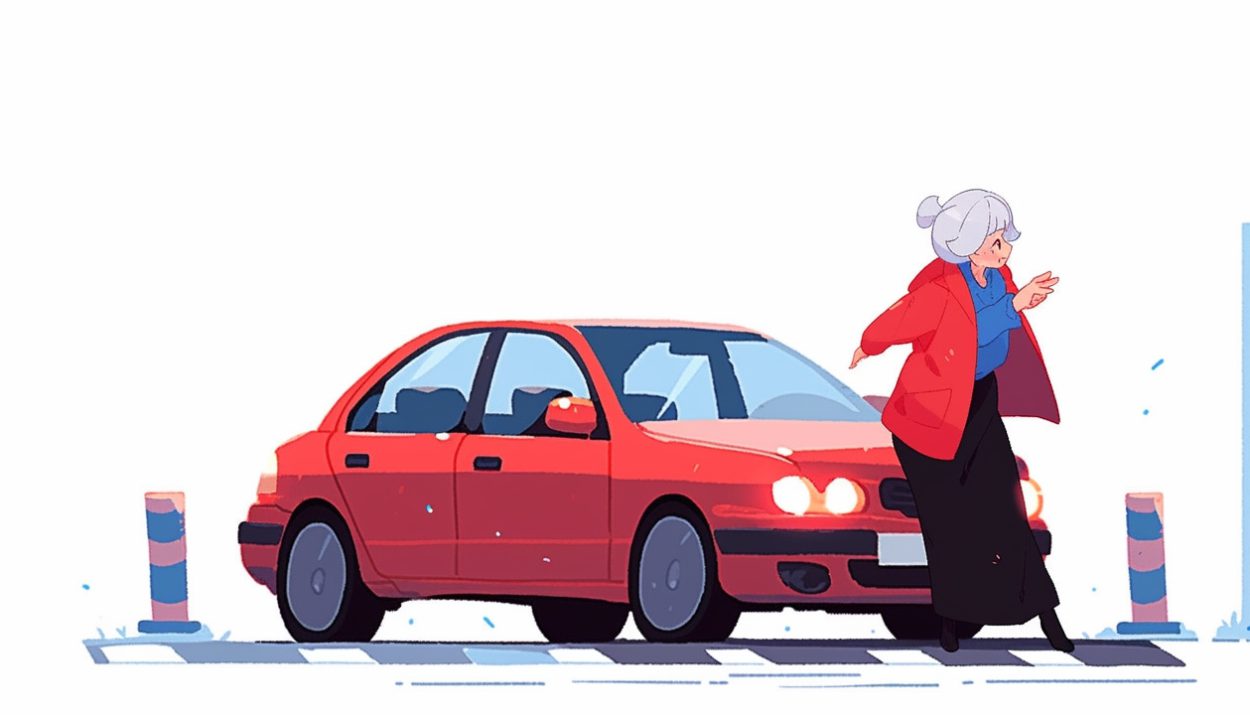
The United States is the country with the most cars, with a total of 170 million, and minor and major accidents almost happen every day. Once an accident occurs, what should the parties involved do?
1, if the car can still be driven, move it to a safe place. Otherwise, it is very likely to receive a fine, as leaving it in the same spot may cause a secondary traffic accident.
2, do not easily settle privately. If a car hits you, and the driver says, “Don’t report it to the police; I’ll give you 500 dollars, and we’ll settle it privately.” At this point, if you are injured, the law requires you to report it to the police. Even if the injury is minor, you must report it to the police, and it doesn’t have to be at the scene; you can report it later.
3, be careful with every word you say; absolutely do not say, “It was my fault.” Police usually ask those involved in the car accident, “What happened?” The police are asking for facts, not for you to draw conclusions. Therefore, don’t say “I’m sorry,” and don’t say “It was my fault.” As the saying goes, a car accident requires two cars. It’s possible that most of the fault lies with you, but the other party may also be at fault. Whether you are 90% at fault or 10%, you should not take all the blame upon yourself.
4, do not get into a heated argument; let the insurance company handle everything.
After obtaining the police report number, call the other party’s insurance company. They will ask for the police report number and may ask some additional questions. Since it is the other party’s insurance company, it is even more important not to admit any fault. Just state the facts.
Also, you need to call your insurance company. If it’s your fault, this is even more important. To avoid the other party exaggerating and causing trouble. If it’s your fault, the damage to the car should be covered by your insurance company, then you need to consider whether it’s worth it.
5, if the car is damaged and it’s the other party’s fault, they will send an inspector. After the inspector examines the car, the other party’s insurance company will notify you to go to a designated location to get an estimate for the damage. You can choose to use this money to repair the car, or you can ask for the money back. This depends on you.
6, if you can’t get the police report number for now and your car can’t be driven, just go and rent a car. The other party’s insurance company is responsible for covering this cost. So, getting the other party’s insurance information is extremely important.
7, no matter what, you must get a medical check-up. After an accident, people are often in a state of shock, and some injuries may not show up immediately, including injuries to the head and neck, which may only appear later. Therefore, don’t tell the police you’re fine. If you say you’re fine, the police might write in the report that you were uninjured, which will be very disadvantageous to you.
Case Study A person was in a car accident and had a bruise on their arm. They thought it was nothing, but a month later, they found they couldn’t move their arm and quickly sought a lawyer, but the lawyer refused to take the case because the insurance company would most likely not pay out. The insurance company would argue that a month had passed, and who knows if they were injured in a fight or not? How could they prove that their arm couldn’t move was due to the car accident?
8, preserve all evidence. Keep the other party’s license plate number, driver’s license number, name, and phone number, as well as the names and phone numbers of any witnesses. If you have a smartphone, take photos of the scene with it.
9, do not sign any agreements with the other party’s driver. The other party’s vehicle may have grazed yours, causing a bit of paint to chip off. The other party’s driver might then offer to pay you 150 dollars to repair the damage, suggesting it’s a minor issue. You can certainly take the money to repair your car, but do not sign any agreements.
10, if possible, add “uninsured motorist” or “low-bundle” insurance (UM/UIM). If the car that hit you is uninsured or has very low coverage, you can still receive compensation. If you are married, you can also purchase “spousal insurance.” When both spouses are in the car, and one is driving and involved in an accident, the injured spouse can sue the insurer of the driver spouse to receive compensation.
11, MVAIC (known as the Motor Vehicle Accident Indemnity Corporation). If the driver who hit you doesn’t have insurance, or flees, and you don’t own a car, you can apply for MVAIC if you are injured.
12, if you get into a fight with someone, the car might be used as a weapon. Suppose you are fighting with another person on the street, and they jump into the car and injure you. Is this considered a car accident? The key is: whether the other party intentionally used the car as a weapon to injure you. In this case, if you tell the police that the other party intentionally drove the car to hit you, then you will likely only be able to get victim compensation and not car accident compensation, because intentionally injuring someone with a car does not count as a car accident.
13, the location of the injury is important. Besides car accidents, people can also fall and get injured while walking, or be injured during a robbery. If it happens on the street, you might not be able to file a lawsuit for compensation, but if you are robbed in a parking lot or inside a building and injured, you can sue the property owner for not providing safe facilities.
14, if you are suing the government, you need to act quickly. You might be injured by a fire truck or a postal vehicle. In this case, the defendant in your civil compensation lawsuit is the government. Lawsuits against the government as the defendant have a very short statute of limitations, and you must issue a summons or file a lawsuit within 30 days or 90 days, so you need to act quickly.