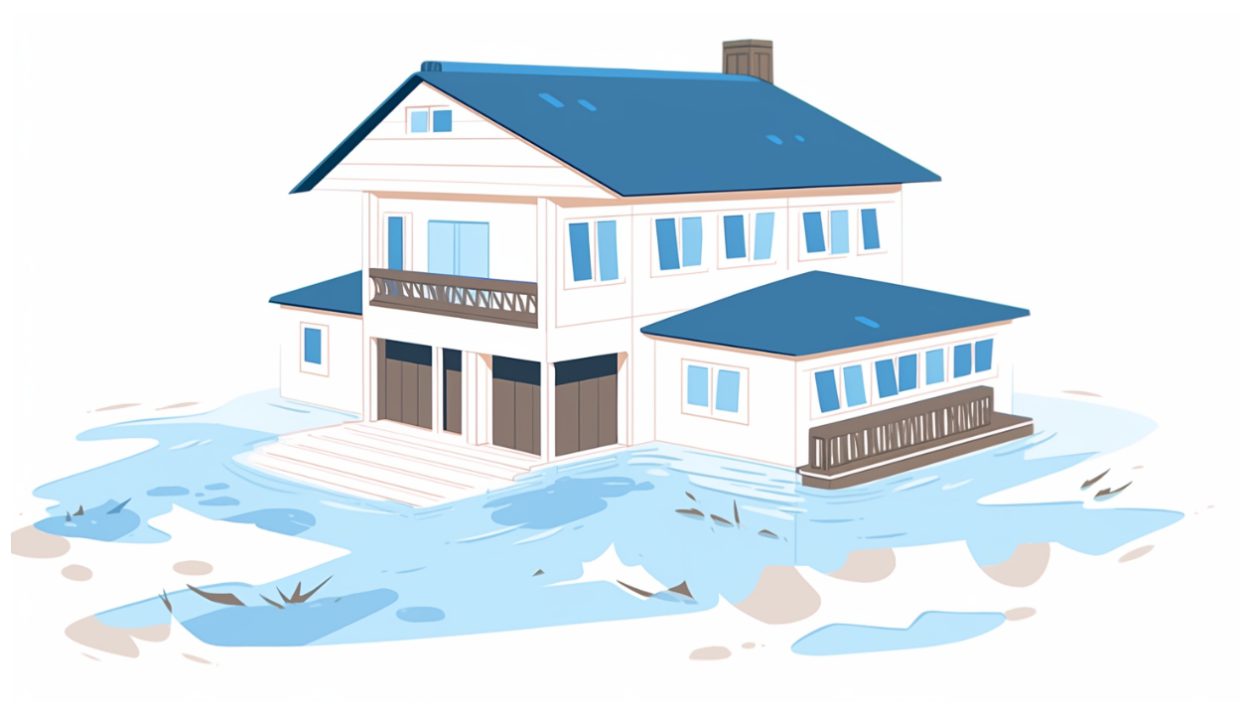
The Truth About Flood Damage
Flooding is the most common and costly natural disaster in the United States. Yet many homeowners believe their standard homeowners’ insurance will cover flood damage. This is one of the most dangerous misconceptions in property insurance. Standard policies explicitly exclude flood damage, leaving millions of homeowners financially vulnerable.
Getting a flood insurance quote is essential for anyone who wants to protect their home and belongings from water damage. Whether you live in a high-risk flood zone or a moderate-risk area, understanding your flood coverage options could save you thousands or even hundreds of thousands of dollars.
$25K+Average Flood Claim payout
90%Of Floods Happen Outside High-Risk Zones
$50B+Annual Flood Damage Nationally
What Is Flood Insurance?
Flood insurance is a specialised policy that covers damage caused by water overflowing from the normal boundaries of lakes, rivers, streams, and other water sources. Unlike homeowners’ insurance, which covers water damage from things like burst pipes or roof leaks, flood insurance specifically covers water that enters your home from outside due to flooding.
In the United States, flood insurance is primarily available through the National Flood Insurance Program (NFIP), administered by FEMA. This program makes flood coverage available to property owners in participating communities, regardless of whether they are in a flood zone.
What Flood Insurance Covers
- Building coverage: Structural damage to your home’s foundation, walls, electrical systems, plumbing, and HVAC systems
- Contents coverage: Personal belongings, including furniture, electronics, clothing, and appliances
- Debris removal: Cost to remove debris after a flood
- Foundation damage: Damage to your home’s foundation from floodwaters
- Utility equipment: Furnaces, water heaters, and other utility systems
Do You Really Need Flood Insurance?
The short answer is: probably yes. Here is why many homeowners need flood coverage:
You Need Flood Insurance If:
- You have a mortgage: If you live in a high-risk zone and have a federally backed mortgage, flood insurance is required
- You live near water: Properties near rivers, lakes, streams, or coastal areas face a higher flood risk
- You are in a flood zone: FEMA designates flood zones using flood maps
- You have valuable possessions: Flooding can destroy furniture, electronics, and irreplaceable items
- You cannot afford to rebuild: Without insurance, you would pay for repairs yourself
- You want peace of mind: Flooding can happen anywhere, anytime
⚠️ Critical Reality: Even if you are not in a high-risk flood zone, 20% of flood insurance claims come from moderate-to-low risk areas. Flooding can happen anywhere due to heavy rain, dam failure, snowmelt, or other factors. The risk is real, and the financial consequences can be devastating without proper coverage.
Understanding FEMA Flood Zones
FEMA flood zones are areas designated based on their risk of flooding. Understanding your flood zone helps determine your flood insurance requirements and costs:
Zone A & V (High Risk)1% annual flood chance; mandatory insurance; highest premiums
Zone B, C & X (Moderate/Low)Lower risk; insurance recommended but not required
Zone D (Unstudied)Flood risk not determined; evaluate independently
Zone Shaded XAreas of minimal flood hazard; lower premiums possible
How to Find Your Flood Zone
To determine your FEMA flood zone:
- Visit FEMA’s Flood Map Service Centre at msc.fema.gov
- Enter your property address
- Review your flood zone designation
- Save a copy of your flood map for insurance purposes
How to Get a Flood Insurance Quote
Getting a flood insurance quote is straightforward. Here is the process:
| Step | What to Do | Time Required |
|---|---|---|
| 1. Check Your Flood Zone | Visit FEMA’s website to determine your flood risk | 5-10 minutes |
| 2. Find a Provider | Contact an NFIP-participating insurer or agent | 10-15 minutes |
| 3. Gather Information | Submit the required documents and pay first premium | Varies |
| 4. Get Multiple Quotes | Compare offers from 3-5 providers | 1-2 days |
| 5. Choose Coverage | Select building and contents coverage amounts | Decision time |
| 6. Complete Application | Submit the required documents and pay the first premium | 30 days for coverage to begin |
Important Note About Waiting PeriodNew flood insurance policies typically have a 30-day waiting period before coverage takes effect. This means you cannot purchase a policy on Monday and make a claim on Tuesday. Plan ahead and do not wait until a storm is approaching to buy coverage.
Flood Insurance Cost Factors
Understanding what affects your flood insurance cost helps you find the best rate:
| Factor | Impact on Cost | How to Lower Premium |
|---|---|---|
| Flood Zone | High-risk zones cost more | Elevate home, mitigation measures |
| Coverage Amount | More coverage = higher premium | Choose appropriate coverage limits |
| Deductible | Higher deductible = lower premium | Provide an elevation certificate |
| Property Elevation | Elevated homes cost less | Provide elevation certificate |
| Building Type | Basement vs. elevated construction | Understand your property type |
| Claims History | Previous claims may increase rates | Avoid filing small claims |
Average Flood Insurance Costs
$700/year National Average Premium
$2,000+/yearHigh-Risk Zone Average
$130/year Preferred Risk Policy
Flood Insurance vs. Homeowners Insurance
It is crucial to understand the difference between flood insurance and homeowners’ insurance:
| Coverage Type | Homeowners Insurance Covers | Flood Insurance Covers |
|---|---|---|
| Water Damage | Plumbing leaks, burst pipes | Floodwater damage to the foundation |
| Storm Damage | Wind damage, fallen trees | Flood damage from storm surge |
| Foundation | Cracking, settling | Floodwater in the basement |
| Basement | Sump pump failure, seepage | Floodwater in basement |
| Personal Property | Theft, fire, vandalism | Property damaged by flooding |
⚠️ Important Distinction: Water that enters your home from above (roof leak, burst pipe) is typically covered by homeowners’ insurance. Water that enters from outside due to flooding is only covered by flood insurance. Many homeowners do not realise this difference until it is too late.
How to File a Flood Insurance Claim
If your property suffers flood damage, here is how to file a flood insurance claim:
- Document everything: Take photos and videos of all damage before making repairs
- Contact your insurer: Report the damage as soon as possible
- Make temporary repairs: Prevent further damage, but do not make permanent repairs yet
- Keep receipts: Document all expenses related to the flood
- Meet with adjuster: The insurance company will send an adjuster to assess damage
- Review settlement: Understand what is covered and the payment amount
- Receive payment: Typically issued after you provide proof of loss
Frequently Asked Questions
Q: Does flood insurance cover basement flooding?
A: Yes, but with limitations. Flood insurance covers damage to basement walls, electrical systems, and utility equipment. However, content coverage for basement belongings is limited. Items like furniture, clothing, and personal documents stored in basements may not be fully covered.
Q: Can I buy flood insurance if my community does not participate in NFIP?
A: Currently, flood insurance through the NFIP is only available in participating communities. If your community does not participate, you may need to seek coverage from private insurers. However, private flood insurance options are limited and may be more expensive.
Q: What is an elevation certificate, and do I need one?
A: An elevation certificate documents your property’s elevation relative to the base flood elevation. It is often required to obtain flood insurance in high-risk zones, and it can help lower your premium if your home is elevated above the flood level. Contact your local building department or a surveyor to obtain one.
Q: How much flood insurance coverage should I buy?
A: For building coverage, you can insure your structure up to $250,000. For contents coverage, you can cover personal belongings up to $100,000. Consider your home’s replacement cost and the value of your possessions when determining appropriate coverage levels. Remember: flood insurance covers actual cash value, not replacement cost, for most items.
Q: Does flood insurance cover my home if it is damaged by a dam failure?
A: Yes. Flood damage caused by a dam failure is covered under flood insurance. Any overflow of water from a body of water that causes property damage qualifies as flood damage under the NFIP definition.
Q: Can I cancel my flood insurance if my community’s flood map changes?
A: If FEMA remaps your property into a lower-risk zone, you may be able to reduce or cancel your flood coverage. However, it is often wise to maintain at least some coverage because flooding can occur outside designated zones. Consult with your insurance agent before cancelling.
Tips to Lower Your Flood Insurance Premium
Ways to Save on Flood Insurance
- Elevate your home: Raising your home above the base flood level significantly reduces premiums
- Get an elevation certificate: This official document can prove your home is lower risk than the map suggests
- Increase your deductible: Higher deductibles lower your premium
- Bundle policies: Some insurers offer discounts when you bundle flood with other coverage
- Reduce coverage: If you have an older policy, review coverage limits
- Complete mitigation: Making your home more flood-resistant may qualify for discounts
- Shop around: Compare quotes from multiple NFIP-participating insurers
Key Takeaways
- Flood insurance is not covered by standard homeowners’ insurance
- 90% of floods occur outside high-risk zones
- Getting a flood insurance quote takes just minutes
- New policies have a 30-day waiting period before coverage begins
- FEMA flood zones determine your risk level and requirements
- The average flood insurance cost is about $700/year nationally
- Even low-risk areas should consider coverage for financial protection
Disclaimer: This article provides general information about flood insurance and should not be considered insurance advice. Flood insurance requirements and availability vary by location. Consult with a licensed insurance agent to understand your specific situation and coverage options.