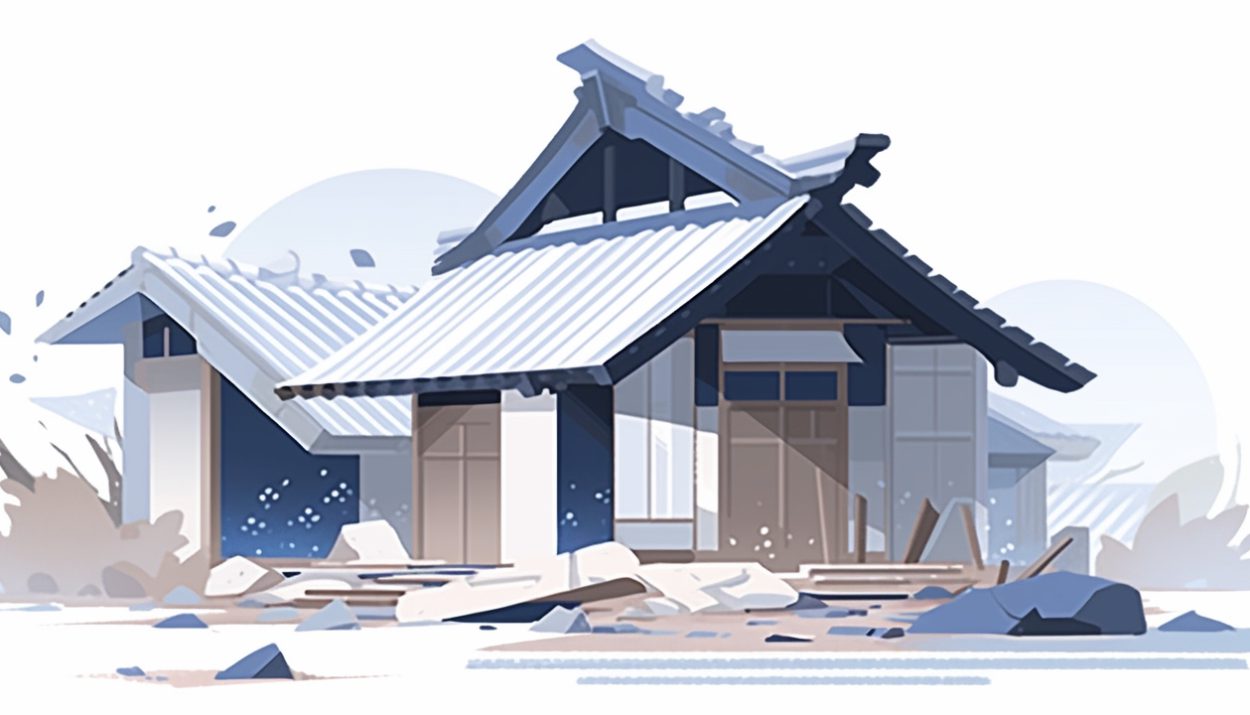
The Earthquake Threat in America
Earthquakes are one of the most destructive natural disasters, capable of causing billions of dollars in damage within seconds. Unlike hurricanes or floods, standard homeowners insurance explicitly excludes earthquake damage, leaving millions of homeowners financially vulnerable. Getting an earthquake insurance quote is essential for anyone living in seismic zones.
The question is not whether earthquakes will happen—they will. The real question is whether you can afford to rebuild your home and replace your belongings if an earthquake strikes. For most homeowners, the answer is no, making earthquake coverage a critical component of financial planning.
$30B+Annual US Earthquake Damage
50%Of Americans Live in Earthquake Zones
$10K-$100K+Typical Earthquake Damage Cost
What Is Earthquake Insurance?
Earthquake insurance is a specialized policy that covers damage to your home and belongings caused by earthquakes. Unlike standard homeowners insurance, which covers fire, wind, and other perils, earthquake coverage must be purchased separately. This insurance helps pay for repairs or rebuilding after an earthquake damages your property.
In high-risk states like California, earthquake insurance is available through the California Earthquake Authority (CEA), a privately funded but publicly managed organization. In other states, coverage may be available through private insurers or state-run programs.
What Earthquake Insurance Covers
Home Structure: Damage to your home’s foundation and structure
Personal Property: Furniture, electronics, and belongings
Additional Living Expenses: Hotel and meal costs if displaced
Debris Removal: Cost to clear and remove debris
What Earthquake Insurance Does NOT Cover
- Fire damage (covered by homeowners’ insurance)
- Water damage from flooding (requires flood insurance)
- Land, landscaping, and swimming pools
- Structures not connected to the home
- Cash and securities
- Vehicles (requires auto insurance)
Earthquake Insurance Cost
The earthquake insurance cost varies dramatically based on several factors:
| Factor | Impact on Cost | Typical Range |
|---|---|---|
| Location | High-risk areas cost more | $500-$5,000+/year |
| Home Value | More expensive homes = higher cost | 1-3% of home value |
| Construction Type | Wood frame cheaper than masonry | Varies significantly |
| Deductible | Higher deductible = lower premium | 5-25% of coverage amount |
| Coverage Amount | More coverage = higher premium | $100K-$500K+ |
| Risk Zone | Higher seismic risk = higher cost | Varies by ZIP code |
California Earthquake Insurance Costs. In California, earthquake insurance rates through the CEA range from $500-$5,000+ per year, depending on location, home construction, and coverage amount. A typical homeowner in Los Angeles might pay $1,500-$3,000 per year for adequate coverage.
Average Earthquake Insurance Rates by State
| State | Average Annual Cost | Risk Level |
|---|---|---|
| California | $1,000-$3,000/year | Very High |
| Washington | $500-$2,000/year | High |
| Oregon | $400-$1,500/year | Moderate-High |
| Alaska | $300-$1,200/year | Moderate |
| New Madrid Region | $500-$2,500/year | Moderate |
| Other States | $100-$500/year | Low-Variable |
Do You Need Earthquake Insurance?
Determining whether you need earthquake coverage requires an honest assessment of your risk and financial situation:
You DEFINITELY Need Earthquake Insurance If:
- You live in California: The state has the highest earthquake risk in the US
- You live near fault lines: Properties within 10 miles of known faults face a higher risk
- You cannot afford to rebuild: If an earthquake destroyed your home, could you pay $100,000+ out of pocket?
- You have a mortgage: Your lender may require earthquake insurance
- You live in an older home: Pre-1980 homes often have unreinforced masonry vulnerable to earthquakes
- You live in a condo or apartment: Your HOA may require coverage
Earthquake Insurance May NOT Be Necessary If:
- You live in a low-risk area: Some regions have minimal earthquake history
- You have substantial savings: Enough to rebuild without insurance
- Your home is very old: Sometimes replacement value is less than the coverage cost
- You are willing to rent: If your home is destroyed, you could relocate
FEMA Assistance vs Earthquake Insurance
Many people wonder if FEMA earthquake assistance can replace insurance. The answer is: absolutely not. Here is the important distinction:
| Factor | Earthquake Insurance | FEMA Assistance |
|---|---|---|
| Eligibility | Available to anyone who purchases a policy | Only available after presidential disaster declaration |
| Funding | You pay premiums for guaranteed coverage | Taxpayer-funded grants and loans |
| Amount | Up to your policy limits (often $500K+) | Average grant: $5,000-$10,000 (grants do not need repayment) |
| Repayment | No repayment; you paid for coverage | Loans must be repaid with interest |
| Reliability | Guaranteed payment when you file a claim | Not guaranteed; depends on many factors |
| Speed | Typically 2-4 weeks after claim approval | Can take months to process |
⚠️ Critical Reality About FEMAFEMA assistance is NOT a substitute for earthquake insurance. After major earthquakes, FEMA grants average only $5,000-$10,000. Earthquake damage often exceeds $100,000. Relying on FEMA alone could leave you financially devastated. Earthquake insurance provides guaranteed, adequate coverage when you need it most.
How to Get an Earthquake Insurance Quote
Getting an earthquake insurance quote is straightforward but requires research:
- Determine your risk: Check FEMA’s seismic risk maps for your area
- Know your home’s value: Get an accurate replacement cost estimate
- Understand construction type: Wood frame vs. masonry affects costs
- Contact multiple providers: Get quotes from at least 3-5 insurers
- Compare coverage details: Not all policies are created equal
- Consider deductibles: Higher deductibles lower premiums but increase out-of-pocket costs
Where to Buy Earthquake Insurance
- California: California Earthquake Authority (CEA) – major provider
- Other high-risk states: Private insurers, state windstorm pools
- Low-risk states: May need specialty insurers or surplus lines carriers
- Your current insurer: Many homeowners’ insurers offer earthquake endorsements
Understanding Earthquake Insurance Deductibles
Earthquake deductibles work differently from standard insurance deductibles. Instead of a fixed dollar amount, earthquake policies typically use percentage deductibles:
| Deductible Type | How It Works | Example (Home Value $400K) |
|---|---|---|
| 5% Deductible | You pay 10% of the coverage amount | $20,000 out of pocket |
| 10% Deductible | You pay 15% of the coverage amount | $40,000 out of pocket |
| 15% Deductible | You pay 25% of the coverage amount | $60,000 out of pocket |
| 25% Deductible | You pay 25% of coverage amount | $100,000 out of pocket |
Percentage Deductibles. Unlike standard deductibles (a fixed $500-$2,500), earthquake deductibles are typically 5-25% of your coverage amount. This means even with earthquake insurance, you may still face high out-of-pocket costs. Choose your deductible carefully based on what you can afford.
Is Earthquake Insurance Worth the Cost?
The decision to purchase earthquake coverage requires balancing cost against risk:
Earthquake Insurance Is WORTH It When:
- You live in California or another high-risk zone
- Your home would cost $200,000+ to rebuild
- You cannot afford to pay $50,000+ out of pocket
- You have a mortgage that requires coverage
- Your home is older or made of vulnerable construction
- Earthquakes have occurred in your area historically
Earthquake Insurance May NOT Be Worth It When:
- You live in an extremely low-risk area
- Your home value is low compared to rebuild costs
- You have substantial savings to self-insure
- The premium would cause financial hardship
- You are willing to relocate after a major earthquake
How to Reduce Earthquake Insurance Costs
Money-Saving Strategies
- Raise your deductible: A 25% deductible costs significantly less than 5%
- Reduce coverage limits: Only insure what you can afford to lose
- Strengthen your home: Seismic retrofitting can qualify for discounts
- Shop around: Quotes vary by 100% between providers
- Bundle with other policies: Some insurers offer multi-policy discounts
- Consider older home discounts: Some providers offer discounts for updated construction
- Join CEA (California): CEA offers various discount programs
Frequently Asked Questions
Q: Does earthquake insurance cover aftershocks?
A: Yes, in most cases. Earthquake coverage typically covers aftershocks that occur within 72 hours of the main earthquake. However, repeated earthquakes from the same seismic event may be considered one occurrence. Check your policy for specific terms.
Q: Can I get earthquake insurance if my home is old?
A: Yes, but it may be more expensive. Older homes, especially those built before 1980 with unreinforced masonry, face higher risk and may have limited coverage options. Some insurers may decline coverage, while others may require seismic retrofitting before issuing a policy.
Q: Does earthquake insurance cover my belongings?
A: Yes, most earthquake insurance policies include personal property coverage. However, limits may apply, and high-value items like jewelry or art may require separate coverage. Review your policy to understand personal property limits and consider additional riders for valuable items.
Q: How long does it take to get earthquake insurance?
A: Coverage can typically be activated within 10-30 days of application, though some policies have a 30-day waiting period before coverage begins. In high-risk areas, the application process may take longer due to required inspections or risk assessments.
Q: Will my earthquake insurance cover if my home is condemned?
A: This depends on your policy. Most earthquake coverage policies cover demolition costs and the cost to rebuild to current building codes. If your home is condemned after an earthquake, coverage typically applies to repair or rebuild costs, minus your deductible.
Q: Can I cancel my earthquake insurance if I cannot afford it?
A: Yes, you can cancel earthquake insurance at any time. However, if you have a mortgage, your lender may require you to maintain coverage. If you choose to cancel, you will have no coverage for earthquake damage, and you cannot buy coverage retroactively for past events.
Q: Does renters’ insurance cover earthquake damage?
A: Standard renters insurance does NOT cover earthquake damage. If you rent and want earthquake protection, you need to purchase separate renters’ earthquake coverage or add an earthquake endorsement to your policy. This covers your belongings and additional living expenses if your rental is damaged.
Making Your Decision
Choosing whether to purchase earthquake insurance is one of the most important financial decisions you will make as a homeowner. Consider this:
- The cost of NOT having insurance could be financial devastation
- FEMA assistance will not cover the full cost of rebuilding
- Earthquakes can and do happen in unexpected areas
- Your home is likely your largest financial asset
- Insurance provides peace of mind that is hard to quantify
Key Takeaways
- Standard homeowners’ insurance does NOT cover earthquake damage
- Earthquake insurance cost ranges from $500-$5,000+ per year, depending on risk
- FEMA assistance is NOT a substitute for insurance
- Earthquake deductibles are typically 5-25% of the coverage amount
- Coverage is essential in California and other high-risk zones
- Compare quotes from multiple providers to find the best rate
- The cost of not having coverage could be financial devastation
Disclaimer: This article provides general information about earthquake insurance and should not be considered insurance or financial advice. Earthquake risk and insurance availability vary by location and individual circumstances. Consult with a licensed insurance professional to understand your specific risk profile and coverage options.