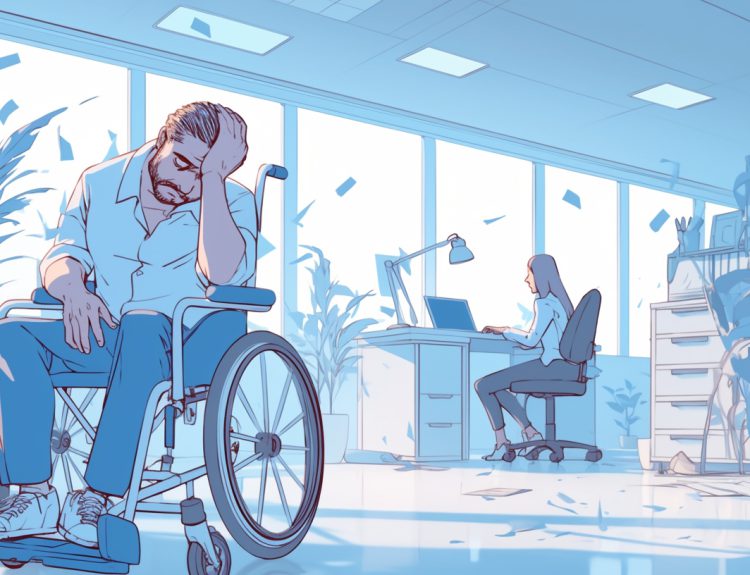
Key Takeaway: Not every personal injury claim needs a lawyer. But some situations absolutely require a personal injury specialist. Learn how to decide if you need legal help or if you can handle your case alone.
After an accident, one of the first questions people ask is: “Do I need a personal injury lawyer?” The answer depends on your specific situation. Some cases are simple and can be handled alone. Others are complex and absolutely need legal representation.
The Big Question: Can I Handle This Myself?
Many people wonder if they can handle their own personal injury claim. The truth is: it depends on the complexity of your case, your comfort with negotiation, and how much time you have to dedicate to the process.
3-4x
More compensation with lawyer
91%
Cases settle without trial
33%
Standard lawyer contingency fee
Signs You SHOULD Hire a Personal Injury Lawyer
When You Need Legal Help
If any of these situations apply to you, hire a personal injury lawyer:
1. Your Injuries Are Serious or Long-Term
If you suffered significant injuries that require ongoing medical care, surgery, or resulted in disability, you need a personal injury specialist. Serious injuries mean higher potential compensation, and insurance companies will fight hard to minimize these claims.
2. Liability Is Disputed
If the other party denies fault or claims you were partly responsible, your case is contested. These cases require legal expertise to establish liability and protect your rights.
3. Multiple Parties Are Involved
When more than one person or company might be responsible, liability becomes complex. This is common in truck accidents, workplace injuries, and cases involving multiple drivers.
4. The Insurance Company Denied Your Claim
If the insurance company refused to pay or offered an unreasonably low amount, you need a lawyer to fight back. Insurance companies take claimants with lawyers more seriously.
5. You Lost Wages or Cannot Work
If your injuries caused you to miss work or permanently affect your ability to earn income, calculating and proving these losses requires legal expertise.
6. The Settlement Offer Is Too Low
If the insurance company’s offer does not cover your medical bills, lost wages, and other damages, you need someone to negotiate on your behalf.
7. The Insurance Company Requests a Recorded Statement
If the insurance adjuster asks for a recorded statement, this is a red flag. They are looking for ways to reduce or deny your claim. Never give a recorded statement without consulting a lawyer.
When You Might NOT Need a Lawyer
Situations Where You May Handle It Alone:
- Very minor injuries – Whiplash or small cuts with no ongoing treatment
- Clear liability – The other driver clearly caused the accident
- Low medical expenses – Under $5,000 in total medical bills
- No lost wages – You missed no work or very minimal time
- Fair insurance offer – The company offered a reasonable amount quickly
- You have time – You can dedicate time to learn and handle the process
DIY vs Hiring a Lawyer: Side-by-Side Comparison
| Factor | Handle Alone | Hire a Lawyer |
|---|---|---|
| Cost | No lawyer fees | 33% contingency fee |
| Time | Requires significant time | Lawyer handles everything |
| Negotiation | You negotiate alone | Experienced negotiator advocates |
| Risk | You bear all risk | Lawyer shares the risk |
| Settlement amount | Typically lower | 3-4x higher on average |
| Stress | Higher stress | Lower stress |
| Best for | Very minor cases | Serious injuries, disputed cases |
The True Cost of NOT Hiring a Lawyer
What You Risk Without Legal Help:
- Lower settlements – Studies show people without lawyers receive significantly less
- Missing deadlines – Statutes of limitations are strict
- Poor documentation – Evidence may not be properly gathered
- Bad faith insurance tactics – Companies take advantage of unrepresented people
- Overlooking damages – You may not know what to claim
- Settling too early – Before knowing full extent of injuries
Questions to Ask Yourself
Before Deciding, Ask:
- How serious are my injuries? – Minor injuries may not justify lawyer fees
- Is liability clear? – Disputed fault needs legal help
- What is the insurance company offering? – If too low, get a lawyer
- Can I afford not to maximize this claim? – Future medical costs matter
- Do I have time to learn and handle this? – It takes significant effort
- Am I comfortable negotiating with insurance? – They have professionals, do you?
What Does a Personal Injury Lawyer Actually Do?
Understanding what a personal injury lawyer does can help you decide if you need one:
- Investigate the accident – Gather evidence, interview witnesses, recreate the scene
- Calculate damages – Include current costs, future expenses, and pain and suffering
- Negotiate with insurance – Use experience to counter lowball offers
- File paperwork – Meet all legal deadlines and requirements
- Hire experts – Medical professionals, accident reconstructionists
- Represent you in court – If settlement negotiations fail
- Protect your rights – Ensure you do not get taken advantage of
How to Find the Right Personal Injury Lawyer
Tips for Choosing:
- Look for experience – Find a lawyer who specializes in your type of case
- Check reviews – Look at client testimonials and ratings
- Ask about fees – Most personal injury lawyers work on contingency (no fee unless you win)
- Meet for free – Take advantage of free consultations
- Trust your gut – Choose someone you feel comfortable with
Frequently Asked Questions
Q: How much does a personal injury lawyer cost?
Most personal injury lawyers work on contingency fee basis. This means you pay nothing upfront. The lawyer takes a percentage (usually 33%) only if you win. If you lose, you typically pay nothing for their services.
Q: What if I cannot afford a lawyer?
If you cannot afford a lawyer and do not qualify for contingency representation, look into legal aid organizations in your area. They provide free or low-cost legal services for those who qualify financially.
Q: Can I switch lawyers if I already hired one?
Yes, you can change lawyers at any time. However, be aware that switching may delay your case and the new lawyer may need to negotiate fees with the previous lawyer.
Q: How long do I have to decide?
The statute of limitations varies by state but is typically 2-4 years from the injury date. Do not wait too long – evidence disappears and deadlines pass quickly.
Q: Should I get a lawyer for a car accident?
For minor fender-benders with no injuries and clear fault, you may not need a lawyer. But if there are any injuries, disputed liability, or significant damages, a personal injury lawyer can significantly increase your settlement.
Conclusion
Deciding whether to hire a personal injury lawyer is an important decision. While not every case needs legal help, serious injuries and complex situations absolutely benefit from professional representation.
Final Recommendation:
- For serious injuries – Always hire a lawyer
- For disputed liability – Always hire a lawyer
- For low settlement offers – Hire a lawyer
- For minor injuries with clear fault – May handle alone
- When in doubt – Get a free consultation
The statistics are clear: people with personal injury lawyers typically receive 3-4 times more compensation than those who handle claims alone. If your case involves significant injuries or complex circumstances, the 33% contingency fee is almost always worth it.
When in doubt, take advantage of free consultations. Most personal injury lawyers offer them. This gives you professional insight into your case at no cost – and no obligation.
Disclaimer: This article is for informational purposes only and does not constitute legal advice. Please consult with a qualified attorney for your specific situation.